Monday, January 6, 2025

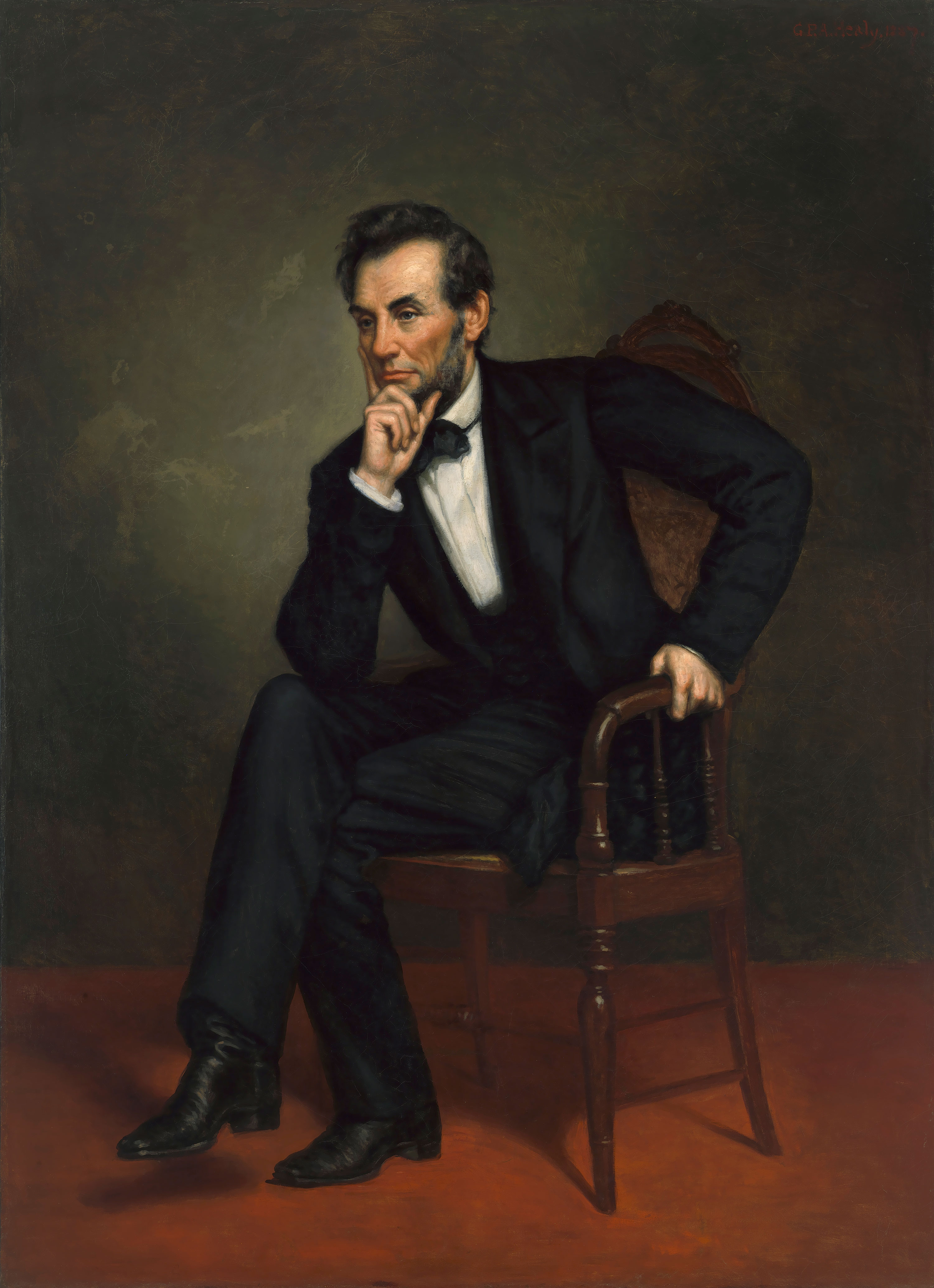
Let's learn about the United States President Abarham Lincoln

 As the inauguration approaches, let’s delve into the lives and achievements of the 46 other individuals who have held the esteemed position of President of the United States.  


Abraham Lincoln, 16th President of the United States of America

Abraham Lincoln’s Birth and Death Dates

Born: February 12, 1809, in Hodgenville, Kentucky, USA

Died: April 15, 1865, in Washington, D.C., USA (assassinated by John Wilkes Booth)


Top 3 Accomplishments as President

Preserving the Union during the Civil War (1861–1865):

Lincoln’s leadership was crucial in holding the United States together during its most severe internal crisis. His resolve ensured that the Union remained intact after the Civil War, laying the foundation for a unified and stronger nation.

The Emancipation Proclamation (1863):

This executive order declared the freedom of all enslaved people in Confederate-held territories. Although it did not immediately free all enslaved individuals, it marked a significant step toward the abolition of slavery and shifted the war’s focus to human freedom.

The Passage of the 13th Amendment (1865):

Lincoln strongly advocated for the 13th Amendment to the Constitution, which abolished slavery in the United States. His efforts ensured its passage by Congress before his assassination.


Top 3 Civilian Accomplishments

Self-Education and Legal Career:

Lincoln was largely self-taught, gaining knowledge through voracious reading. He became a successful lawyer known for his logical reasoning, clear arguments, and dedication to justice. His legal career brought him recognition and respect in Illinois.

Advocacy for Infrastructure Development:

As a member of the Illinois State Legislature, Lincoln promoted policies to improve transportation infrastructure, including canals and railroads, to facilitate economic growth.

Political Rise as a Voice Against Slavery’s Expansion:

As a U.S. Congressman and later as a national figure, Lincoln opposed the spread of slavery into new territories. His debates with Stephen A. Douglas during the 1858 Illinois Senate race catapulted him to national prominence, setting the stage for his presidential run.


Sunday, January 5, 2025

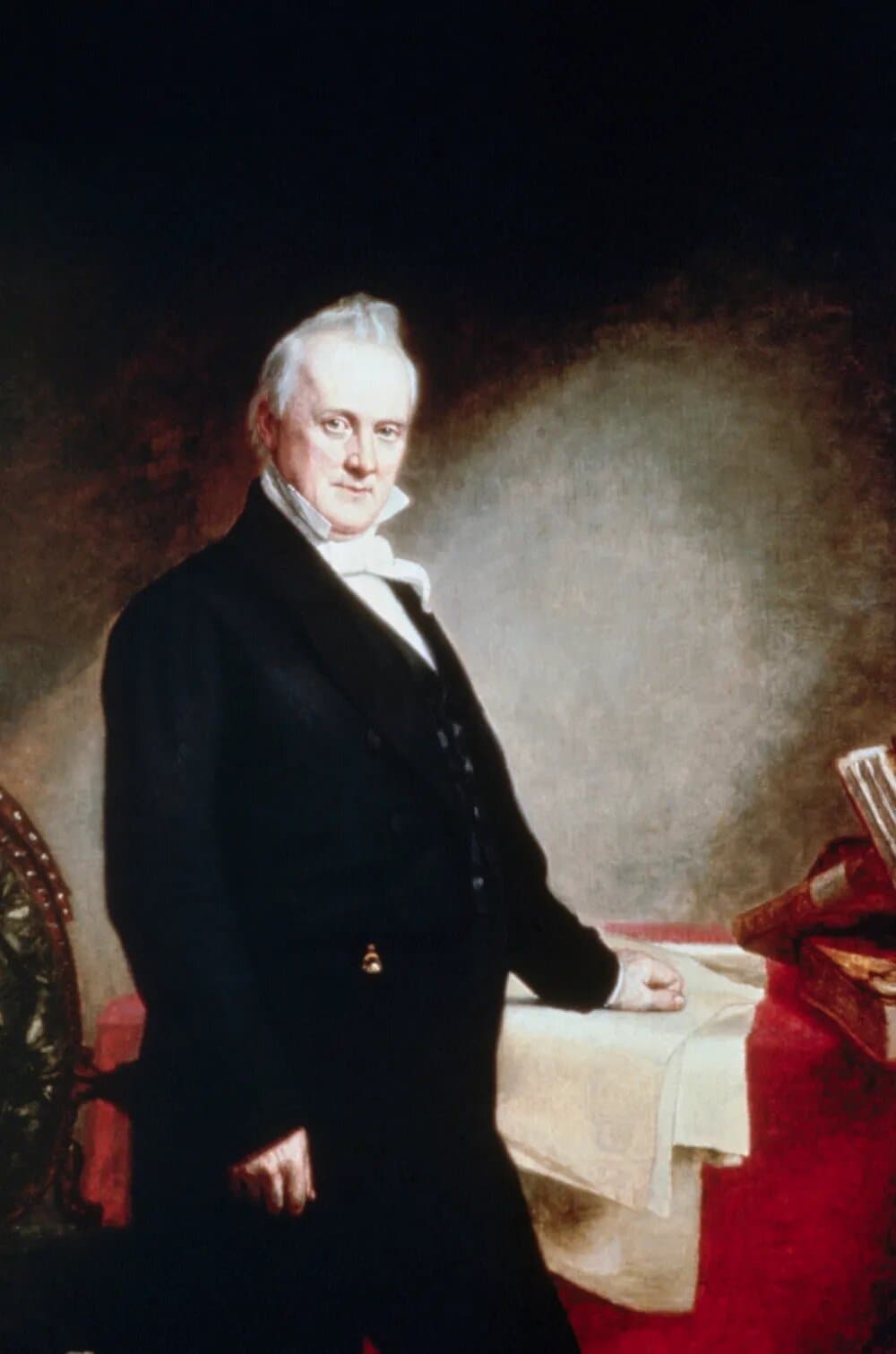
Let's learn about the United States President James Buchanan

 As the inauguration approaches, let’s delve into the lives and achievements of the 46 other individuals who have held the esteemed position of President of the United States.  


James Buchanan, 15th President of the United States of America


Born: April 23, 1791, in Cove Gap, Pennsylvania.

Died: June 1, 1868, in Lancaster, Pennsylvania.


Top 3 Accomplishments as President:

Dred Scott Decision Endorsement (1857):

Buchanan’s presidency coincided with the controversial Dred Scott v. Sandford Supreme Court decision. Although highly criticized, his administration supported the ruling, which declared that African Americans were not citizens and that Congress could not prohibit slavery in the territories. This aligned with his goal of appeasing Southern states, although it deepened sectional divisions.

Utah War Resolution (1857–1858):

Buchanan successfully de-escalated tensions during the Utah War between the U.S. government and Mormon settlers in the Utah Territory, averting large-scale violence. He sent a new governor to replace Brigham Young and negotiated a peaceful resolution.

Opening of the Pony Express (1860):

Buchanan’s administration saw the establishment of the Pony Express, improving communication between the East and West during rapid expansion.


Top 3 Accomplishments as a Civilian:

Distinguished Diplomatic Career:

Buchanan served as Minister to the United Kingdom (1853–1856) under President Franklin Pierce. His success in this role, particularly his involvement in the Ostend Manifesto (an attempt to purchase Cuba from Spain), cemented his reputation as a skilled diplomat, though the manifesto was controversial.

Long Congressional Career:

Buchanan served in the U.S. House of Representatives (1821–1831) and later as a U.S. Senator (1834–1845), where he supported economic development and infrastructure projects like canals and railroads critical to the growing nation.

Legal Career and Philanthropy:

Before entering politics, Buchanan was a successful lawyer in Pennsylvania. Later, he retired to his estate, Wheatland, and supported various philanthropic efforts, including donations to educational institutions and charitable causes.


While Buchanan’s presidency is often criticized for his inability to prevent the Civil War, his earlier career displayed significant diplomatic and legislative contributions.


Let's learn about the United States President Franklin Pierce

As the inauguration approaches, let’s delve into the lives and achievements of the 46 other individuals who have held the esteemed position of President of the United States.  


Franklin Pierce, 14th President of the United States of America 

Franklin Pierce's Birth and Death Dates

  • Born: November 23, 1804, in Hillsborough, New Hampshire.
  • Died: October 8, 1869, in Concord, New Hampshire.

Top 3 Accomplishments as President (1853–1857)

Gadsden Purchase (1854):

Pierce oversaw the acquisition of 29,670 square miles of land from Mexico, establishing the modern borders of the southwestern United States. This was significant for the expansion of the U.S. and future railway development.

Kansas-Nebraska Act (1854):

Though controversial, this act repealed the Missouri Compromise and allowed territories to decide whether to allow slavery (popular sovereignty). While it inflamed sectional tensions, it significantly impacted U.S. history, leading to the rise of the Republican Party.

Diplomatic Expansion:

Pierce supported the Ostend Manifesto, which proposed acquiring Cuba from Spain. Although it failed, his administration was notable for its expansionist approach, aiming to grow U.S. influence in the Western Hemisphere.


Top 3 Accomplishments as a Civilian

Military Service in the Mexican-American War:

Pierce was a brigadier general during the war (1846–1848). Despite injuries, he led troops and gained national recognition, which helped propel his political career.

Advocacy for Legal Reform:

Before becoming president, Pierce practiced law in New Hampshire and earned a reputation as a skilled attorney, championing local legal reforms and advocating for the rights of his clients.

Commitment to Local Politics:

Pierce served as a New Hampshire legislator and, later, a U.S. Representative and Senator. His work focused on state interests, such as infrastructure and education improvements, which helped modernize New Hampshire.


Let's learn about the United States President Millard Fillmore

As the inauguration approaches, let’s delve into the lives and achievements of the 46 other individuals who have held the esteemed position of President of the United States.  


Millard Fillmore, 13th President of the United States of America 


Millard Fillmore (1800–1874)

Birth: January 7, 1800, in Summerhill, New York.

Death: March 8, 1874, in Buffalo, New York.

Top 3 Accomplishments as President:

Millard Fillmore served as the 13th President of the United States (1850–1853), assuming the office after President Zachary Taylor's death.

Compromise of 1850: 

Fillmore signed this set of laws to address the sectional tensions between the North and South. It included the controversial Fugitive Slave Act, California's free state admission, and territorial dispute resolutions. While it temporarily quelled tensions, it also deepened divisions.

Expansion of U.S. Trade:

Fillmore played a role in initiating U.S. engagement with Japan. He sent Commodore Matthew Perry on a mission that ultimately led to the Treaty of Kanagawa (signed in 1854, after Fillmore's presidency), opening Japan to American trade.

Strengthening the Navy:

Recognizing the importance of naval power, Fillmore supported modernization and strengthened the U.S. Navy, laying the groundwork for future expansion and influence.


Top 3 Accomplishments as a Civilian:

Education and Literacy Advocacy: 

Fillmore founded the University at Buffalo in 1846 and was its first chancellor. His work emphasized making higher education accessible in western New York.

Abolition of Imprisonment for Debt in New York: 

As a lawyer and member of the New York Assembly before his presidency, Fillmore championed legislation to abolish imprisonment for debt, a significant reform that aided the financially struggling population.

Humanitarian Work with the Buffalo Historical Society: 

Fillmore was active in civic affairs after his presidency. He helped establish the Buffalo Historical Society (now the Buffalo History Museum), contributing to preserving regional history and culture.


Saturday, January 4, 2025

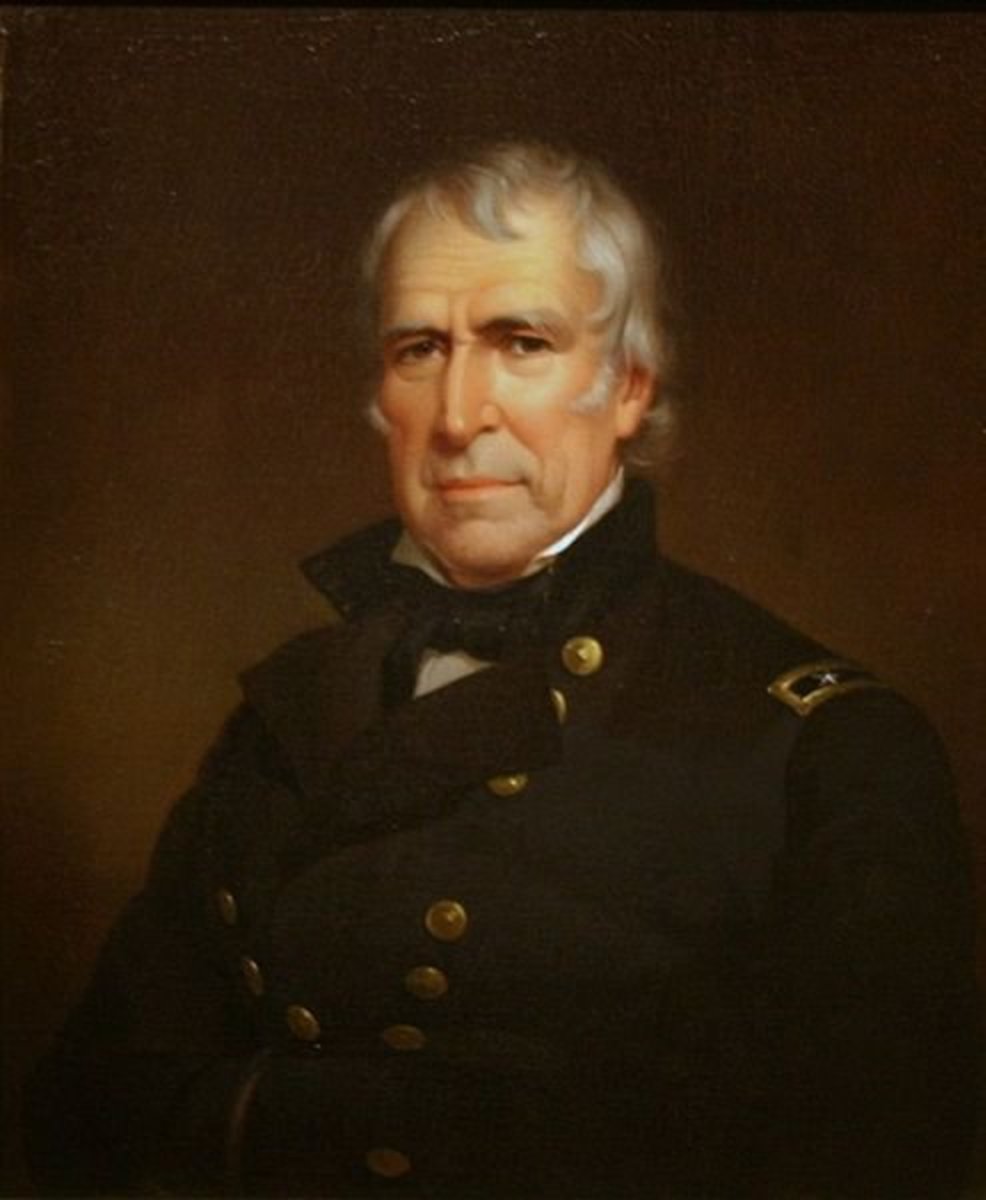
Let's learn about the United States President Zachary Taylor

 As the inauguration approaches, let’s delve into the lives and achievements of the 46 other individuals who have held the esteemed position of President of the United States.  


Zachary Taylor, 12th President of the United States of America

Birth Date: November 24, 1784


Death Date: July 9, 1850


Top Three Accomplishments as President

Stance Against the Expansion of Slavery

Taylor opposed the expansion of slavery into new territories acquired after the Mexican-American War despite being a Southern slaveholder himself. His willingness to let California and New Mexico decide their own status without imposing slavery was significant and controversial at the time.

Support for California's Statehood

Taylor actively supported California's admission to the Union as a free state. This was a pivotal moment in the tensions between the North and South, influencing the national debate on slavery.

Moderate Leadership in a Divisive Era

Though his presidency was brief, Taylor's moderate stance on key issues helped prevent immediate sectional crises. His policies laid the groundwork for the Compromise of 1850, even though he did not live to see it enacted.


Top Three Accomplishments as a Civilian

Distinguished Military Career

Taylor was a career military officer for over 40 years, earning fame as a hero in the War of 1812, the Black Hawk War, and most notably, the Mexican-American War. His leadership in battles such as Palo Alto, Resaca de la Palma, and Buena Vista established him as a national hero.

Property and Agricultural Management

Taylor managed extensive plantations in Louisiana, overseeing agricultural operations and becoming a prominent figure in Southern farming.

Role as a National Symbol of Unity

Before becoming president, Taylor's military achievements and non-partisan approach to politics made him a unifying figure in an increasingly divided nation. His reputation as a hero of the common man helped secure his election despite his lack of political experience.


Friday, January 3, 2025

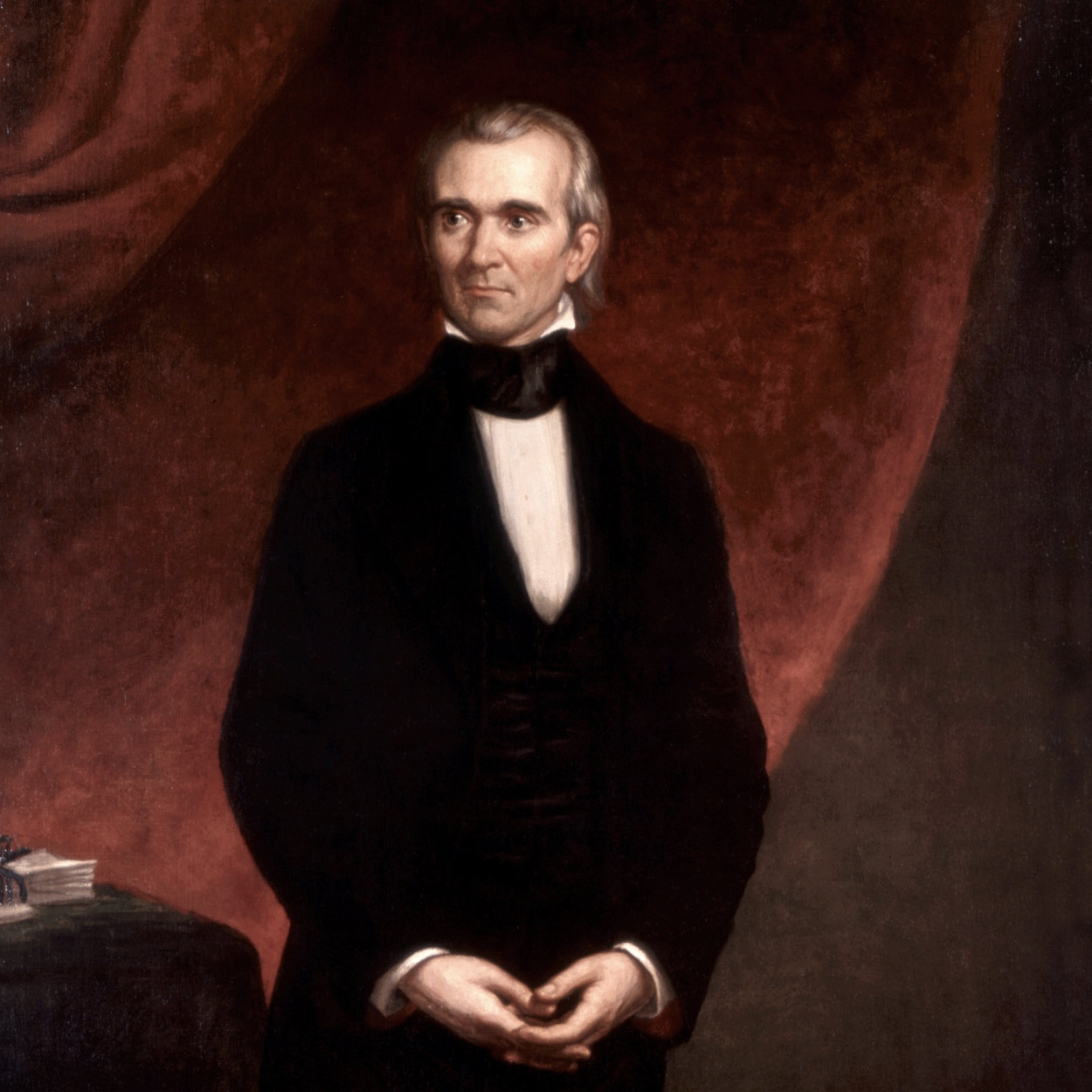
Let's learn about the United States Presidents: James K Polk

As the inauguration approaches, let’s delve into the lives and achievements of the 46 other individuals who have held the esteemed position of President of the United States.  


James K Polk, 11th President of the United States of America


Birth and Death Dates

Born: November 2, 1795

Died: June 15, 1849

Top 3 Accomplishments as President (1845–1849)

Territorial Expansion of the United States:

Oversaw the addition of over 800,000 square miles to U.S. territory, including the Oregon Territory (settled with Britain in 1846) and land acquired from Mexico after the Mexican-American War through the Treaty of Guadalupe Hidalgo in 1848. This included modern-day California, Arizona, New Mexico, Nevada, Utah, and parts of Colorado and Wyoming.

Lowering Tariffs (Walker Tariff of 1846):

Championed the reduction of tariffs, which encouraged trade and boosted economic growth. The Walker Tariff significantly lowered import duties and was seen as a successful measure to balance free trade with revenue generation.

Establishment of an Independent Treasury System (1846):

Reestablished the Independent Treasury System, ensuring that federal funds would be managed by the government rather than private or state banks, enhancing financial stability.


Top 3 Accomplishments as a Civilian:

Speaker of the U.S. House of Representatives (1835–1839):

As Speaker, Polk played a key role in managing legislative debates and advocating policies that reflected the Democratic Party's priorities, including support for Andrew Jackson's presidency and the principle of states' rights.

Governor of Tennessee (1839–1841):

Served as Governor of Tennessee, where he promoted infrastructure improvements and education, though his tenure was marked by political struggles in a state increasingly divided along party lines.

Expansion of His Personal Law Practice:

Before entering politics, Polk built a successful law practice in Tennessee, earning respect for his legal acumen and dedication to clients, which laid the groundwork for his subsequent political career.


Let's learn about the United States Presidents: John Tyler

As the inauguration approaches, let’s delve into the lives and achievements of the 46 other individuals who have held the esteemed position of President of the United States.  


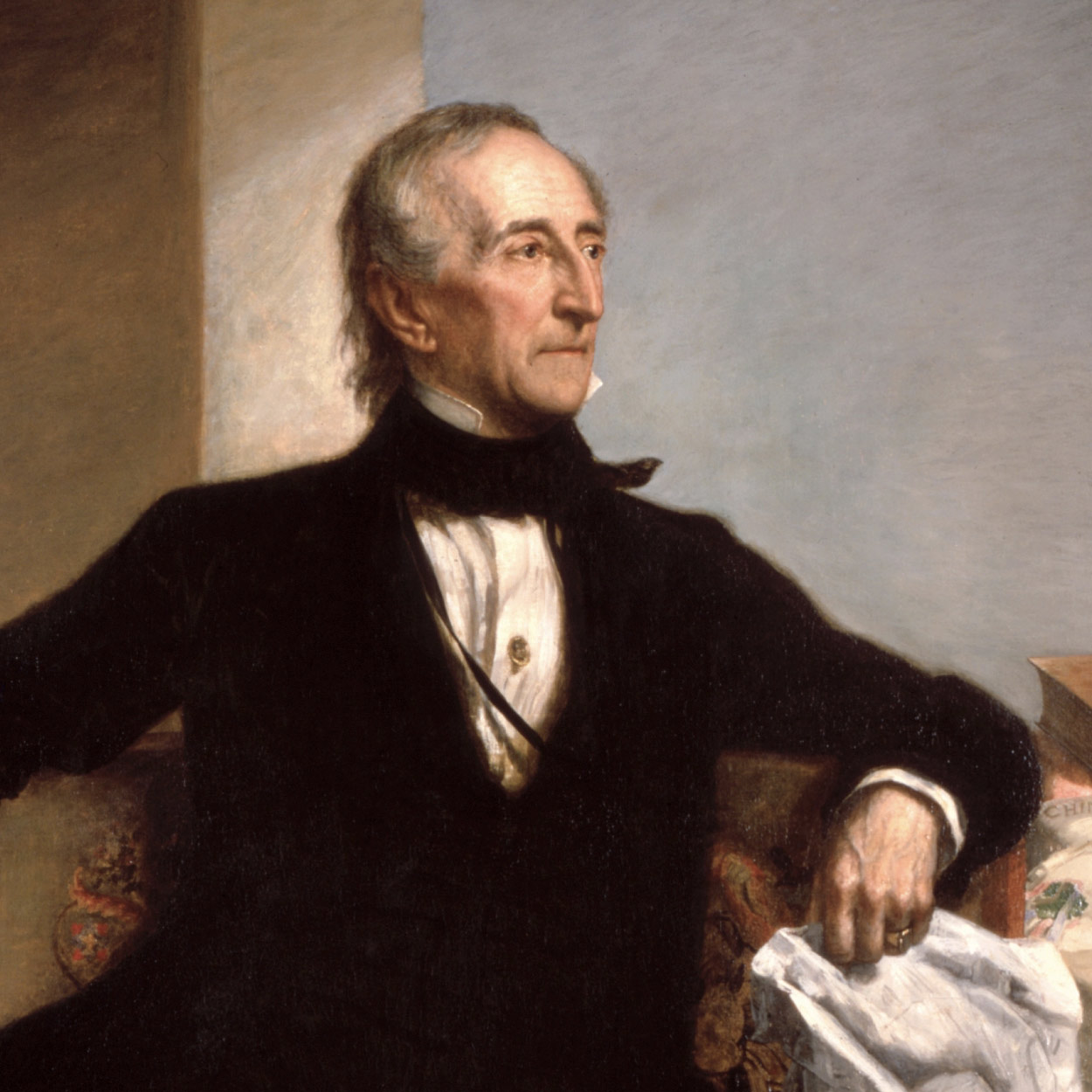
John Tyler, 10th President of the United States of America

 Birth and Death Dates

Born: March 29, 1790, in Charles City County, Virginia, USA.

Died: January 18, 1862, in Richmond, Virginia, USA.


Top 3 Accomplishments as President (1841–1845)

Annexation of Texas (1845):

Tyler played a key role in annexing Texas into the United States. Although the process was finalized after his presidency, his efforts to push the annexation treaty through Congress laid the groundwork for Texas becoming the 28th state.

Webster-Ashburton Treaty (1842):

Tyler's administration successfully negotiated this treaty, resolving a long-standing border dispute between the United States and British Canada in the northeastern states, particularly Maine and New Brunswick.

Support for States' Rights:

Tyler was a staunch supporter of states' rights and vetoed several bills that he believed overstepped federal authority, including a bill to establish a new national bank. This commitment demonstrated his adherence to the principles of limited federal government.


Top 3 Accomplishments as a Civilian

Virginia Legislature and Governorship:

Tyler served in the Virginia House of Delegates and later as the governor of Virginia (1825–1827). He was a vocal advocate for states' rights and worked to maintain the state's political and economic interests.

U.S. Senate Tenure:

As a U.S. Senator (1827–1836), Tyler opposed federal overreach and aligned with the Jeffersonian Democratic-Republican ideals. He notably resigned in protest against measures he deemed unconstitutional, like the Force Bill during the Nullification Crisis.

Confederate Leadership Role:

Late in life, Tyler sided with the Confederacy and was elected to the provisional Confederate Congress in 1861. Though controversial, this reflects his unwavering commitment to states' rights and his native Virginia's sovereignty.