Sunday, January 12, 2025

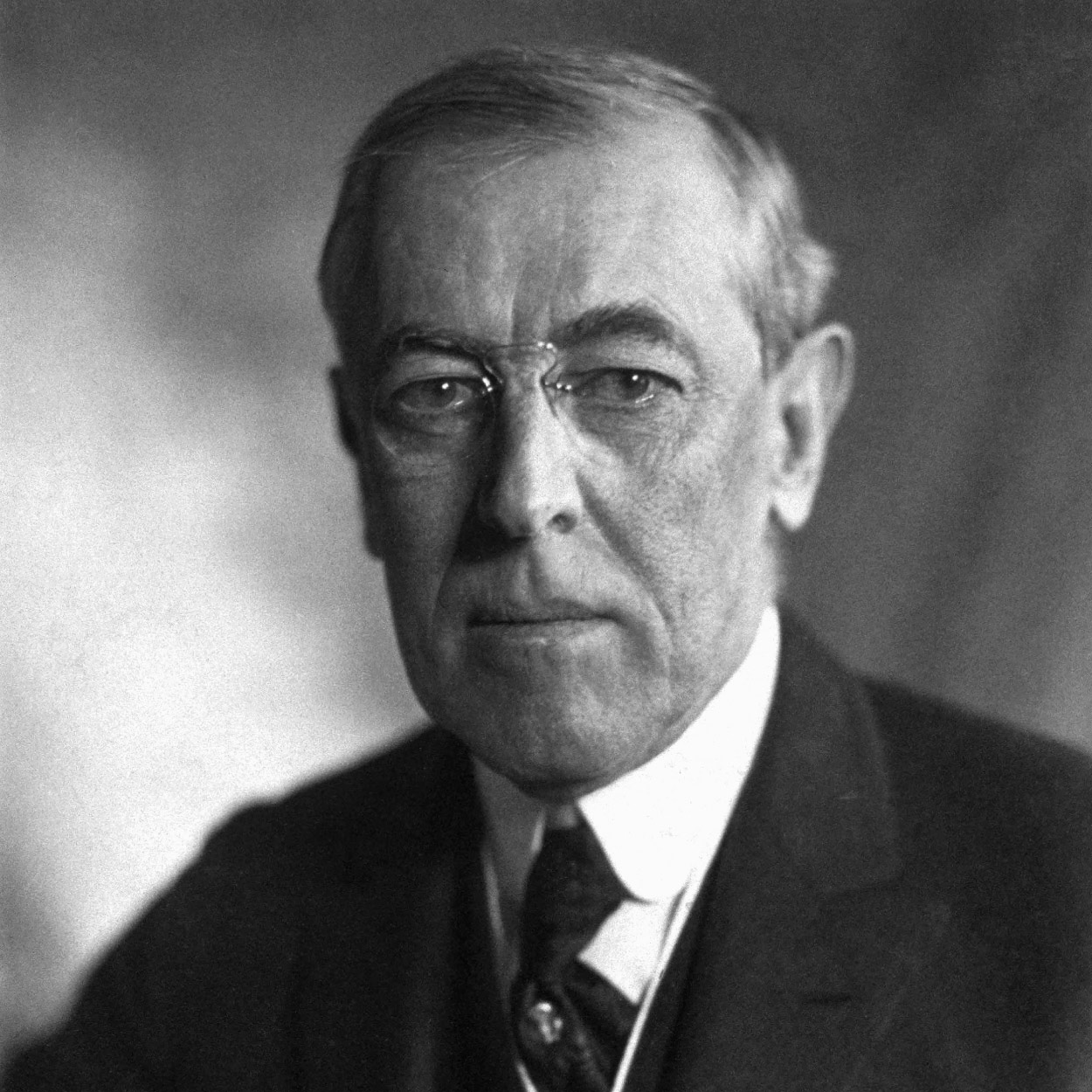
Let's learn about the United States President Woodrow Wilson

 As the inauguration approaches, let’s delve into the lives and achievements of the 46 other individuals who have held the esteemed position of President of the United States.  


Woodrow Wilson, 28th President of the United States of America


Born: December 28, 1856, in Staunton, Virginia, USA.

Died: February 3, 1924, in Washington, D.C., USA.


Top 3 Accomplishments as President (1913–1921):

Leadership During World War I:

       Wilson initially kept the U.S. neutral but later led the country into World War I in 1917 after German provocations, including unrestricted submarine warfare and the Zimmermann Telegram. His leadership helped shape the Allied victory.


Creation of the League of Nations:

       Wilson was a principal architect of the League of Nations, the first international organization aimed at maintaining world peace. Though the U.S. Senate rejected membership, it set the groundwork for future international cooperation (e.g., the United Nations).


Domestic Reforms Under the “New Freedom”:

Wilson implemented significant domestic policies, including:

Federal Reserve Act (1913): Established the Federal Reserve System to stabilize the banking sector.

Clayton Antitrust Act (1914): Strengthened antitrust laws to combat monopolies.

Federal Trade Commission (1914): Created to prevent unfair business practices.


Top 3 Accomplishments as a Civilian:


Academic Leadership and Scholarship:

       Wilson was a distinguished scholar and educator. He taught political science and later served as President of Princeton University (1902–1910). He modernized the curriculum and emphasized research and teaching standards.


Influential Political Theories:

        Wilson was a prolific writer and thinker in political science. His work, such as “Congressional Government” (1885) and “The State” (1889), analyzed U.S. political systems and influenced future generations of political scholars.


Governor of New Jersey (1911–1913):

       As governor, Wilson enacted progressive reforms, including laws on workers’ compensation, improved public utilities regulation, and electoral reforms that laid the foundation for his progressive presidency.


Let's learn about the United States President Warren G Harding


As the inauguration approaches, let’s delve into the lives and achievements of the 46 other individuals who have held the esteemed position of President of the United States.  


Warren G Harding, 29th President of the United States of America


Warren G. Harding (1865–1923)

Birth: November 2, 1865

Death: August 2, 1923


        Top 3 Accomplishments as President


  Washington Naval Conference (1921–1922)

    Harding hosted the first international disarmament conference in Washington, D.C., which led to agreements to limit naval armaments among major powers. This was a significant step toward reducing the risk of future conflicts.


   Budget and Accounting Act of 1921

    He signed this legislation, which established the General Accounting Office (now the Government Accountability Office) and required the president to submit an annual federal budget to Congress. This improved transparency and fiscal responsibility.


     Immigration Quota Act (1921)

    Harding signed this law, which was the first to place numerical limits on immigration to the U.S. It established quotas based on nationality and reflected widespread public sentiment for immigration restrictions.


        Top 3 Civilian Accomplishments


     Successful Newspaper Publisher

    Harding owned and edited the Marion Star, a newspaper in Marion, Ohio. Under his leadership, the paper became highly successful, boosting his local prominence and financial stability.


    State-Level Leadership

     Before his presidency, Harding served as the Lieutenant Governor of Ohio (1904–1906) and as a U.S. Senator (1915–1921), where he supported pro-business policies and worked to unify party factions.


    Orator and Community Leade

    Harding was known for his eloquent speeches and involvement in civic life. His charisma and ability to connect with the public helped him rise in Republican politics and gain national attention.


Let's learn about the United States President Calvin Coolidge

 As the inauguration approaches, let’s delve into the lives and achievements of the 46 other individuals who have held the esteemed position of President of the United States.  


Calvin Coolidge, 30th President of the United States of America


Calvin Coolidge (1872–1933) served as the 30th President of the United States. Here are his birth and death details, as well as his top accomplishments:


Birth and Death:

Born: July 4, 1872, in Plymouth Notch, Vermont.

Died: January 5, 1933, in Northampton, Massachusetts.


Top 3 Accomplishments as President:


Economic Policies and Prosperity:

       Coolidge presided over the “Roaring Twenties,” a period of economic growth and technological innovation.

       He promoted tax reductions through the Revenue Acts of 1924 and 1926, which lowered federal taxes and reduced government spending to encourage business investment.


Advocacy for Limited Government:

       Coolidge was a staunch supporter of small government. He vetoed bills he believed would lead to excessive government intervention in the economy, adhering to his philosophy that “the business of America is business.”


Kellogg-Briand Pact (1928):

       Though signed after he left office, Coolidge supported this international treaty, renouncing war as a means of national policy. It reflected his administration’s emphasis on diplomacy and peace over military engagement.


Top 3 Accomplishments as a Civilian:


Climbing Political Ranks in Massachusetts:

    Coolidge’s rise in politics began as a city councilman in Northampton, Massachusetts. His integrity and effectiveness as a public servant helped him ascend to the governorship of Massachusetts (1919–1921).


Handling the Boston Police Strike (1919):

     As Governor of Massachusetts, Coolidge gained national attention for his decisive response to the Boston Police Strike. He asserted that public safety workers had no right to strike, bolstering his leadership reputation.


Advancing American Ideals:

    Coolidge was known for his thoughtful writings and speeches on American values, such as individual liberty, hard work, and moral responsibility. These works influenced public perceptions of his era.


Saturday, January 11, 2025

Let's learn about the United States President William Howard Taft

 As the inauguration approaches, let’s delve into the lives and achievements of the 46 other individuals who have held the esteemed position of President of the United States.  


William Howard Taft, 27th President of the United States of America


Born: September 15, 1857, in Cincinnati, Ohio

Died: March 8, 1930, in Washington, D.C.


Top 3 Accomplishments as President (1909–1913)


Expansion of Antitrust Actions:

       Taft aggressively enforced antitrust laws, initiating more antitrust lawsuits (approximately 90) during his presidency than Theodore Roosevelt. His administration broke up major monopolies like Standard Oil and American Tobacco under the Sherman Antitrust Act.


Establishment of the Postal Savings System:

       Taft introduced the Postal Savings System, which allowed Americans, particularly immigrants and rural residents without bank access, to deposit money securely with the government via post offices.


16th Amendment (Federal Income Tax):

       Although ratified after his presidency, Taft strongly supported the 16th Amendment, which authorized Congress to impose a federal income tax. This laid the groundwork for a modern fiscal policy.


Top 3 Accomplishments as a Civilian


Chief Justice of the United States (1921–1930):

       Taft is the only person in U.S. history to serve as both President and Chief Justice of the Supreme Court. As Chief Justice, he championed judicial reform, oversaw the construction of the Supreme Court Building, and authored several significant decisions, solidifying his legacy in the judiciary.


Professor and Public Speaker:

     After his presidency, Taft became a professor of law at Yale University. His lectures and writings on constitutional law and government were widely respected and influential in shaping public discourse.


Advocate for the League of Nations:

       Taft was a vocal proponent of the League of Nations after World War I, demonstrating his commitment to international cooperation and diplomacy, although he criticized aspects of its implementation.


Taft’s dual roles as President and chief justice make his career unique in American history. They showcase his commitment to public service in the executive and judicial branches.


Friday, January 10, 2025

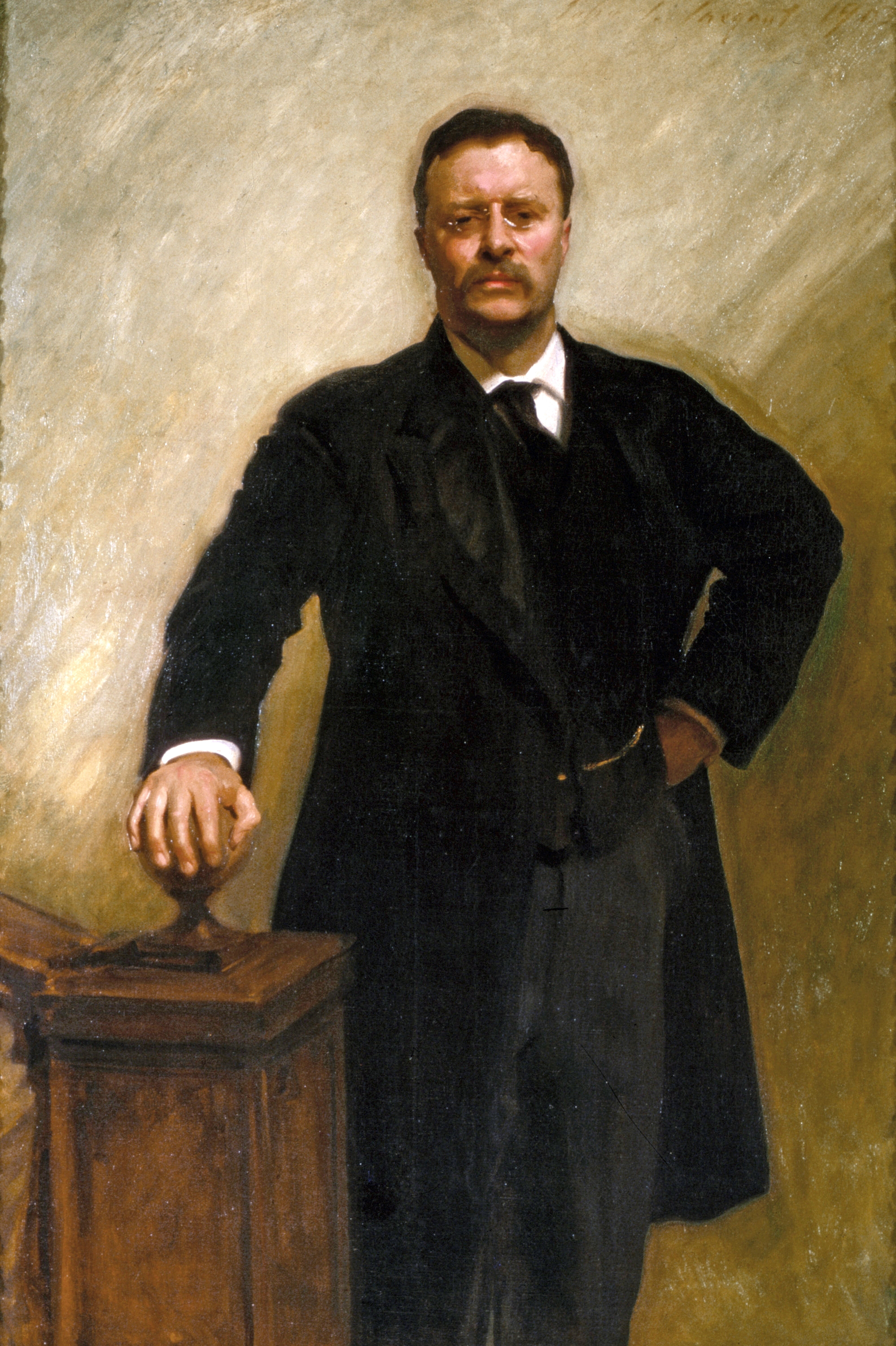
Let's learn about the United States President Theodore Roosevelt

  As the inauguration approaches, let’s delve into the lives and achievements of the 46 other individuals who have held the esteemed position of President of the United States.  

 Theodore Roosevelt, 25th President of the United States of America


Theodore Roosevelt’s Birth and Death Dates:

Born: October 27, 1858 

Died: January 6, 1919 


Top 3 Accomplishments as President

Conservation Legacy:

       Roosevelt was a pioneering conservationist, creating the U.S. Forest Service in 1905 and signing into law the Antiquities Act in 1906.

       He established 150 national forests, 51 federal bird reserves, 5 national parks, and 18 national monuments, preserving approximately 230 million acres of public land.


Panama Canal:

      Roosevelt was critical in constructing the Panama Canal, which linked the Atlantic and Pacific Oceans and revolutionized global trade and military strategy. He negotiated the treaty with Panama and oversaw the beginning of its construction.


Square Deal and Progressive Policies:

       Roosevelt championed the Square Deal, emphasizing the regulation of corporations, consumer protection, and conservation of natural resources.

       His administration used the Sherman Antitrust Act to break up major monopolies and passed significant reforms, such as the Pure Food and Drug Act and the Meat Inspection Act 1906.


Top 3 Accomplishments as a Civilian

Author and Historian:

      Roosevelt was a prolific writer, authoring over 35 books, including The Naval War of 1812, which remains a classic in military history. His works showcased his diverse interests, from history to wildlife conservation.


Military Service and the Rough Riders:

       During the Spanish-American War in 1898, Roosevelt formed and led the Rough Riders, a volunteer cavalry regiment. Their charge up San Juan Hill in Cuba was pivotal in the war and bolstered Roosevelt’s national reputation.


Naturalist and Explorer:

       As an ardent naturalist, Roosevelt conducted significant expeditions after his presidency. Notably, he led the Smithsonian-Roosevelt African Expedition (1909–1910) to collect specimens for the Smithsonian Institution. He also embarked on the River of Doubt Expedition in the Amazon in 1913–1914, contributing to geographical and scientific knowledge.


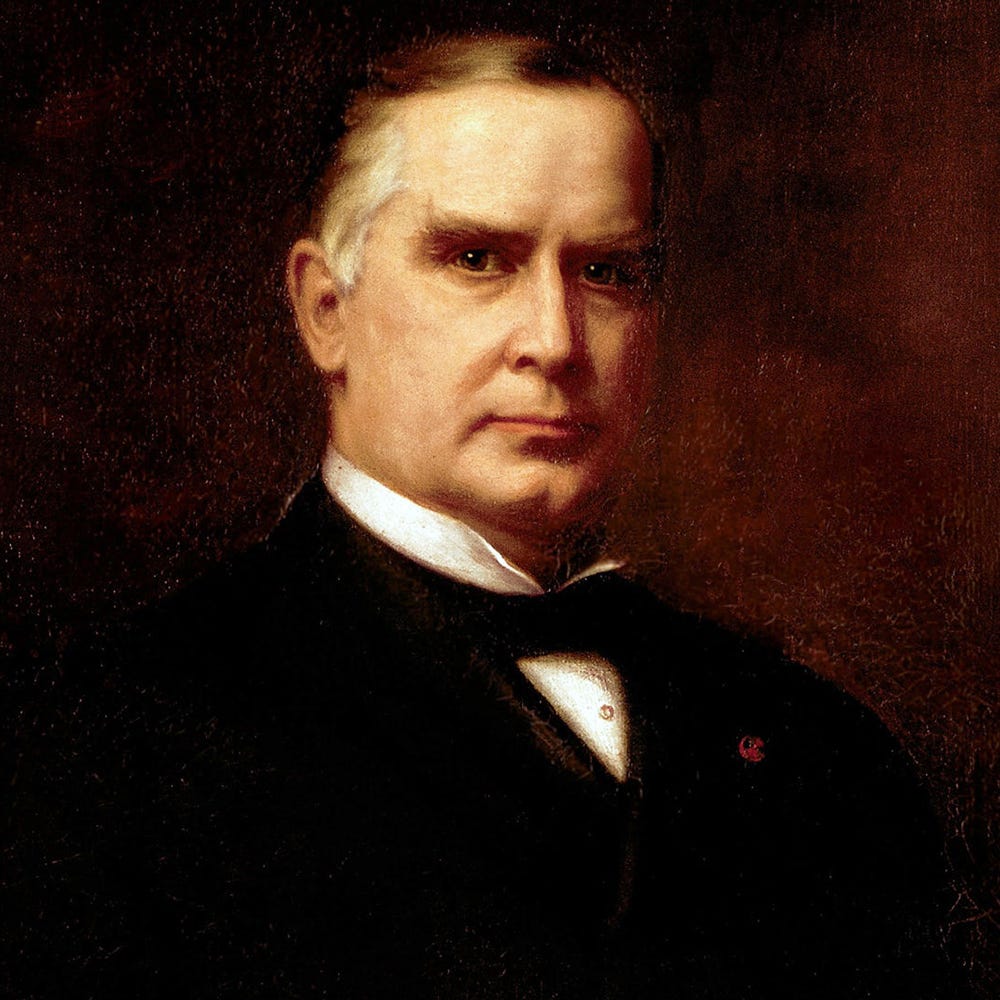
Let's learn about the United States President William McKinley

 As the inauguration approaches, let’s delve into the lives and achievements of the 46 other individuals who have held the esteemed position of President of the United States.  


William McKinley, 25th President of the United States of America


William McKinley: Birth and Death

Birth: January 29, 1843, in Niles, Ohio, USA

Death: September 14, 1901, in Buffalo, New York, USA (assassinated while serving as president)


Top 3 Accomplishments as President (1897–1901)


Spanish-American War Victory (1898):

McKinley led the U.S. in the Spanish-American War, which resulted in a decisive victory. This conflict marked the emergence of the U.S. as a global power and led to the acquisition of territories like Puerto Rico, Guam, and the Philippines.


Economic Growth and the Gold Standard Act (1900):

He oversaw a period of significant economic prosperity. The Gold Standard Act cemented gold as the basis for U.S. currency, ending debates over bimetallism and stabilizing the economy.


Expansion of U.S. Influence and Territories:

Under McKinley’s leadership, the annexation of Hawaii (1898) furthered U.S. expansion. His policies solidified America’s presence on the global stage and influenced its imperialist trajectory.


Top 3 Accomplishments as a Civilian


Service in the Civil War:

McKinley enlisted as a private in the Union Army during the Civil War and rose to brevet major. His valor and leadership during battles like Antietam were notable early achievements.


Legal and Political Career in Ohio:

After the war, McKinley became a successful lawyer and then entered politics. He served as a U.S. Congressman (1877–1891) and Governor of Ohio (1892–1896), advocating for protective tariffs and labor rights.


Advocacy for Protective Tariffs:

As a staunch supporter of tariffs, McKinley authored the McKinley Tariff Act of 1890 while serving in Congress. Although controversial, it reflected his commitment to protecting American industries and workers.