Thursday, January 2, 2025

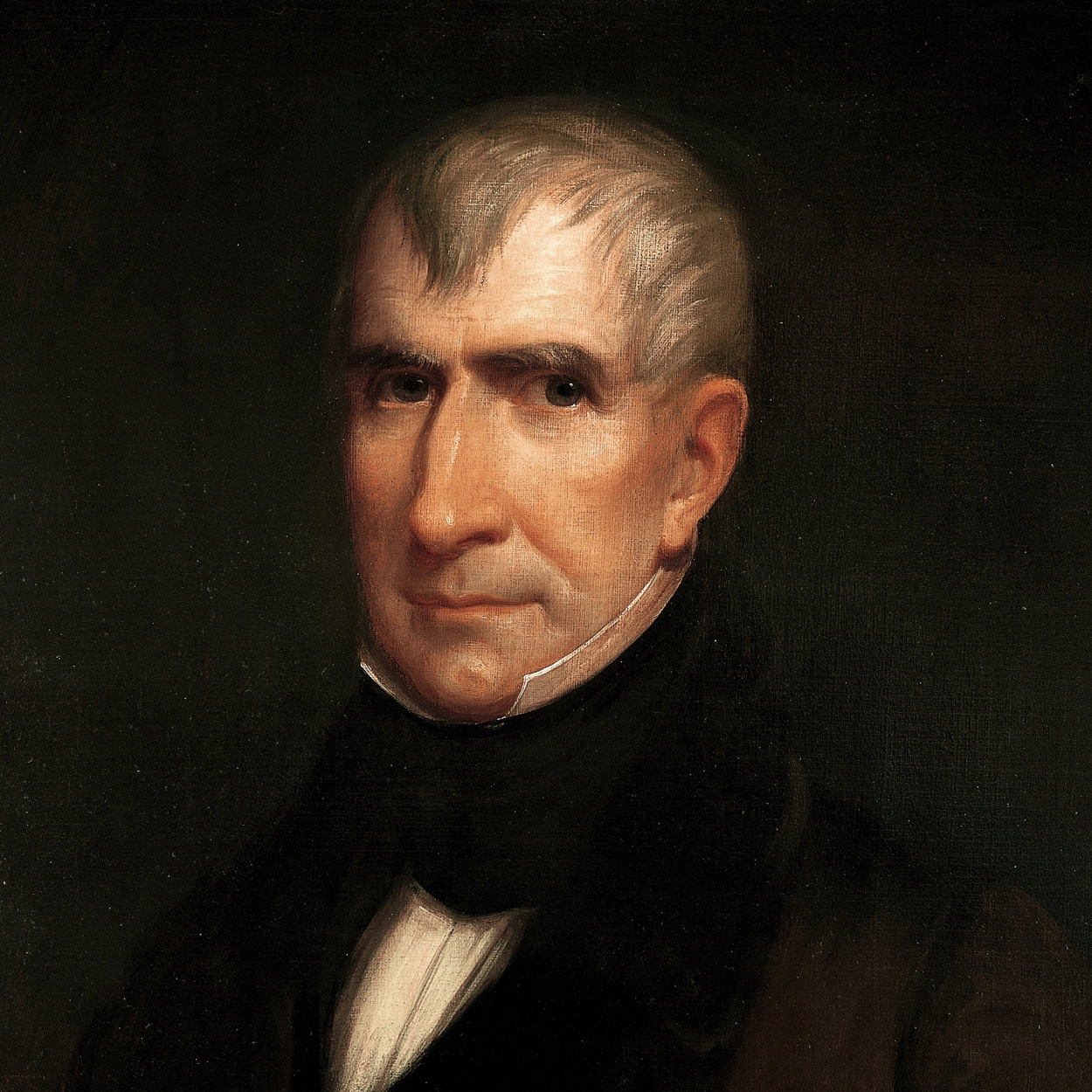
Let's learn about the United States Presidents: William Henry Harrison

 As the inauguration approaches, let’s delve into the lives and achievements of the 46 other individuals who have held the esteemed position of President of the United States.  

William Henry Harrison, 9th President of the United States of America


William Henry Harrison's Birth and Death Dates:

Born: February 9, 1773, in Charles City County, Virginia.


Died: April 4, 1841, in Washington, D.C.

Harrison served as the 9th President of the United States but had the shortest presidential, lasting only 31 days before his death from pneumonia.


Top 3 Accomplishments as President:

Harrison’s presidency was too brief to achieve significant policy goals, but key aspects of his presidency included:

First Modern Inauguration Speech:

Delivered the most extended inaugural address in U.S. history (over two hours) on March 4, 1841.Established traditions for future inaugurations, such as unity and policy direction themes.

Formation of Whig Leadership:

His election signified the triumph of the Whig Party, representing opposition to Andrew Jackson's Democratic Party and advocating for Congressional authority over the executive branch.

Symbol of Popular Democracy:

His campaign strategies during the 1840 election (the "Log Cabin and Hard Cider Campaign") created a model for modern political campaigning, focusing on relatable imagery and mass public appeal.


Top 3 Civilian Accomplishments:

Before becoming President, Harrison had a distinguished career in the military and public service:

Victory at the Battle of Tippecanoe (1811):

As a military leader, Harrison decisively defeated Tecumseh’s confederation of Native American tribes, gaining national fame and solidifying U.S. control in the Northwest Territory.

Governor of Indiana Territory (1801–1812):

Oversaw westward expansion and negotiated significant treaties, acquiring millions of acres of Native American lands (e.g., Treaty of Fort Wayne, 1809).

Served in Congress and as U.S. Minister:

Represented Ohio in the U.S. House of Representatives and Senate. He was appointed as Minister to Colombia (1828–1829), where he advocated for U.S. trade and influence in Latin America.

Harrison’s brief presidency belied his extensive pre-presidential career, which left a notable legacy in early American history.

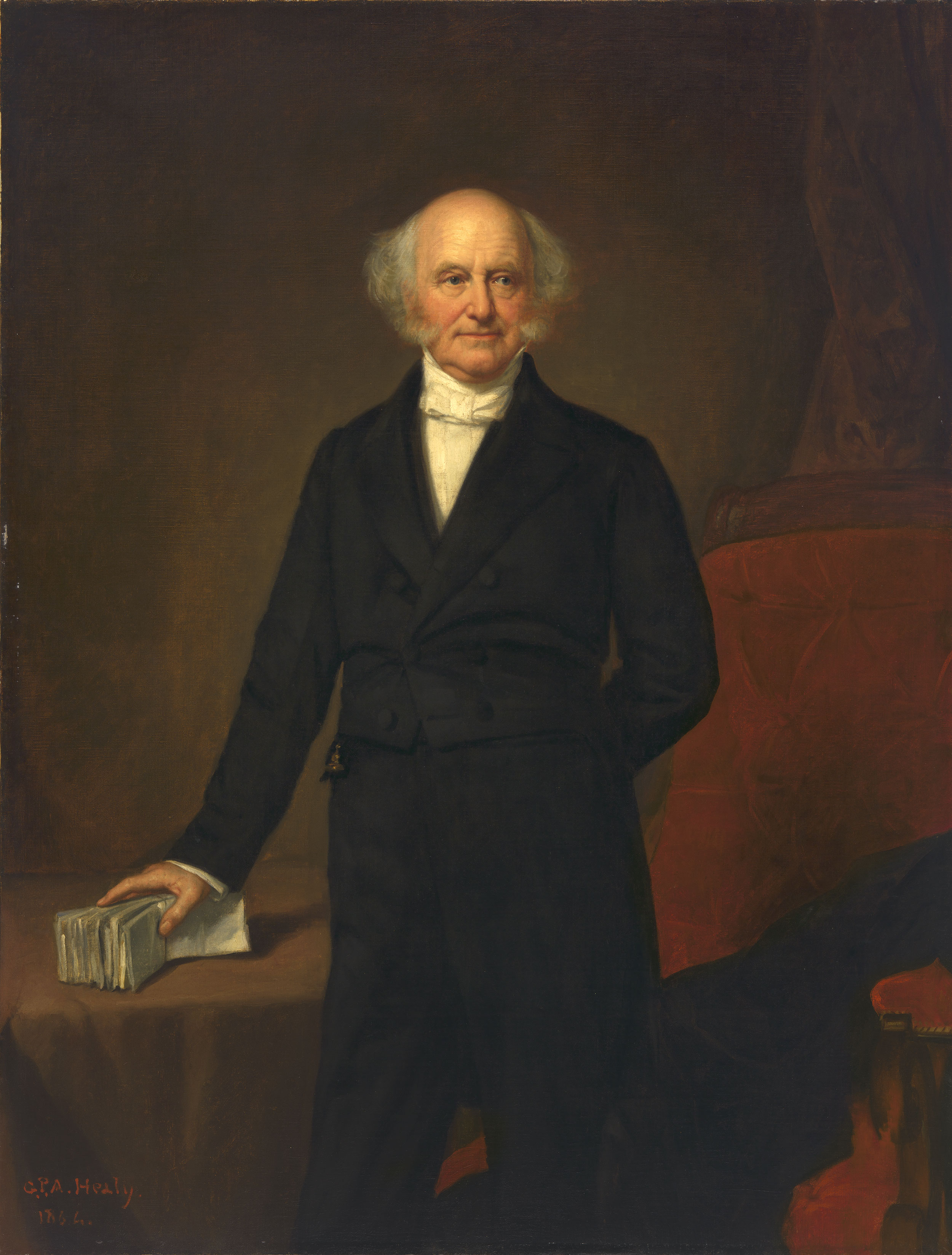
Let's learn about the United States Presidents: Martin Van Buren

As the inauguration approaches, let’s delve into the lives and achievements of the 46 other individuals who have held the esteemed position of President of the United States.  

Martin Van Buren, 8th President of the United States of America 

Born: December 5, 1782, in Kinderhook, New York.

Died: July 24, 1862, in Kinderhook, New York.


Top 3 Accomplishments as President (1837–1841):

Independent Treasury System (1840):

Van Buren established the Independent Treasury System to separate federal funds from private banks, ensuring government funds were stored in U.S. Treasury vaults. This was a significant step in stabilizing the financial system after the Panic of 1837.

Neutrality in Foreign Affairs:

He maintained a neutral stance during the Canadian Rebellion (1837–1838) and handled the Caroline Affair diplomatically, avoiding a potential war with Britain.

Panic of 1837 Management:

Although controversial, Van Buren's refusal to interfere directly in the economy during the Panic of 1837 aligned with his commitment to limited government intervention. His response laid the groundwork for long-term economic policies.


Top 3 Accomplishments as a Civilian:

Founder of the Democratic Party:

Van Buren was instrumental in organizing and establishing the modern Democratic Party, helping to create the first enduring two-party system in the U.S. alongside Andrew Jackson.

Key Role in Jacksonian Democracy:

As Secretary of State and later Vice President under Andrew Jackson, Van Buren helped shape Jacksonian Democracy, emphasizing greater public participation in politics and advocating for the "common man."

Abolition of Imprisonment for Debt (1817):

As a New York state legislator and later governor, Van Buren championed several reform efforts, including abolishing imprisonment for debt. This was a significant step in improving the civil rights of poorer citizens.


Wednesday, January 1, 2025

Let's learn about the United States Presidents: Andrew Jackson

 As Ingranation approaches, let’s delve into the lives and achievements of the 46 other individuals who have held the esteemed position of President of the United States. 


Andrew Jackson, 7th President of the United States of America

Andrew Jackson's Birth and Death:

  • Born: March 15, 1767, in the Waxhaws region (on the border of North and South Carolina).
  • Died: June 8, 1845, at his estate, The Hermitage, near Nashville, Tennessee.


Top 3 Accomplishments as President (1829–1837):

Indian Removal Act (1830):

Jackson signed and implemented the Indian Removal Act, which authorized the forced relocation of Native American tribes to lands west of the Mississippi River. While it fulfilled Jackson's goal of opening land for white settlers, it led to the infamous Trail of Tears and remains highly controversial.

Nullification Crisis Resolution:

Jackson firmly opposed South Carolina's attempt to nullify federal tariffs, asserting the supremacy of federal law. His decisive stance, including the threat of military action, preserved the Union and set a precedent for federal authority.

Destruction of the Second Bank of the United States:

Jackson dismantled the Second Bank of the United States, viewing it as a tool for the elite that conflicted with the interests of ordinary Americans. His actions significantly altered U.S. financial policy and led to the rise of "pet banks," smaller state banks.


Top 3 Accomplishments as a Civilian:

Military Leadership in the War of 1812:

Jackson gained national fame for his victory at the Battle of New Orleans (1815), where he led a diverse force to defeat the British. This victory boosted American morale and cemented his reputation as a war hero.

Acquisition of Florida (1819):

As a military leader, Jackson's campaigns in Florida forced Spain to cede the territory to the United States. His actions directly contributed to the signing of the Adams-OnĂ­s Treaty, which formalized the acquisition.

Expansion of the Democratic Party:

Jackson's advocacy for the "common man" helped transform American politics. He symbolized the newly organized Democratic Party, emphasizing populism, opposition to elite interests, and expanded suffrage for white males.


Let's learn about the United States Presidents: John Quincy Adams

As Ingranation approaches, let’s delve into the lives and achievements of the 46 other individuals who have held the esteemed position of President of the United States.  


John Quincy Adams, 6th President of the United States of America

Birth and Death:

Born: July 11, 1767, in Braintree (now Quincy), Massachusetts.

Died: February 23, 1848, in Washington, D.C.


Top 3 Accomplishments as President:

Federal Investment Program 

Adams championed an ambitious federal investment program in infrastructure, including roads, canals, and education. This vision was part of his "American System," aiming to unify the nation and foster economic growth.

Established the U.S. education system

Adams advocated for the establishment of a national university and the development of scientific institutions. Although his proposals were not fully realized during his presidency, they reflected his forward-thinking approach to national development.

Strengthened diplomatic ties

Building on his extensive diplomatic experience, Adams sought to strengthen U.S. foreign relations. Notably, he supported the Panama Congress (1826), aiming to foster American cooperation, though domestic political opposition limited its impact.


Top 3 Accomplishments as a Civilian:

Architect of the Monroe Doctrine and Treaty of Ghent

Adams negotiated the Treaty of Ghent (1814), ending the War of 1812 with Great Britain. As Secretary of State (1817–1825),  Adams was the principal architect of the Monroe Doctrine, asserting U.S. opposition to European colonial interference in the Americas.

Arguing the Amistad Case in front of the Supreme Court

After his presidency, Adams served in the U.S. House of Representatives (1831–1848). He became a leading voice against slavery, famously arguing the Amistad case (1841) before the Supreme Court, securing the freedom of enslaved Africans who had revolted aboard a ship.

Support for First Amendment Rights:

Adams fiercely defended the right to petition, especially against efforts to impose the "gag rule," which sought to prevent anti-slavery petitions from being discussed in Congress. His efforts were crucial in repealing the gag rule in 1844.

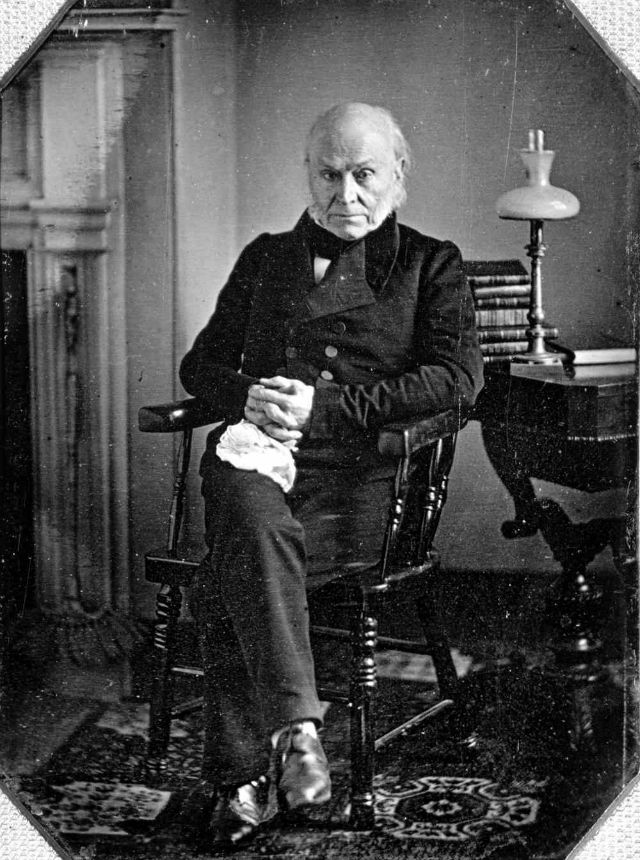
He was also the only President to serve in Congress (1831 - 1848)  after his presidency and the first to be Photographed.


Let's learn about the United States Presidents: James Monroe

  As Ingranation approaches, let’s delve into the lives and achievements of the 46 other individuals who have held the esteemed position of President of the United States.  

James Monroe, 5th President of the United States of America

Birth and Death Dates:

Born: April 28, 1758, in Westmoreland County, Virginia.
Died: July 4, 1831, in New York City, New York.

Top 3 Accomplishments as President:

The Monroe Doctrine (1823):

This cornerstone of U.S. foreign policy declared the Americas off-limits to European colonization and interference, asserting a protective stance over the Western Hemisphere. It shaped U.S. diplomacy for generations.

The Missouri Compromise (1820):

Monroe signed this critical legislation to maintain the balance of power between free and slave states. It admitted Missouri as a slave state and Maine as a free state while prohibiting slavery in the northern part of the Louisiana Territory.

The Era of Good Feelings:

His presidency was marked by national unity and political harmony following the War of 1812. Monroe's extensive goodwill tours helped foster this sense of unity, even as tensions over slavery simmered.

Top 3 Accomplishments as a Civilian:

Service in the American Revolution:

Monroe fought in the Continental Army and was wounded at the Battle of Trenton in 1776, demonstrating his commitment to American independence. He later served under George Washington and worked alongside influential Founding Fathers.

Instrumental Role in the Louisiana Purchase (1803):

As a diplomat, Monroe negotiated with France alongside Robert Livingston to acquire the Louisiana Territory, doubling the size of the United States and securing control over the Mississippi River.

Virginia Governor and Constitutional Advocate:

Monroe served multiple terms as Governor of Virginia. He played a significant role in ratifying the U.S. Constitution, promoting compromise, and advocating for a strong federal government balanced with states' rights.


Tuesday, December 31, 2024

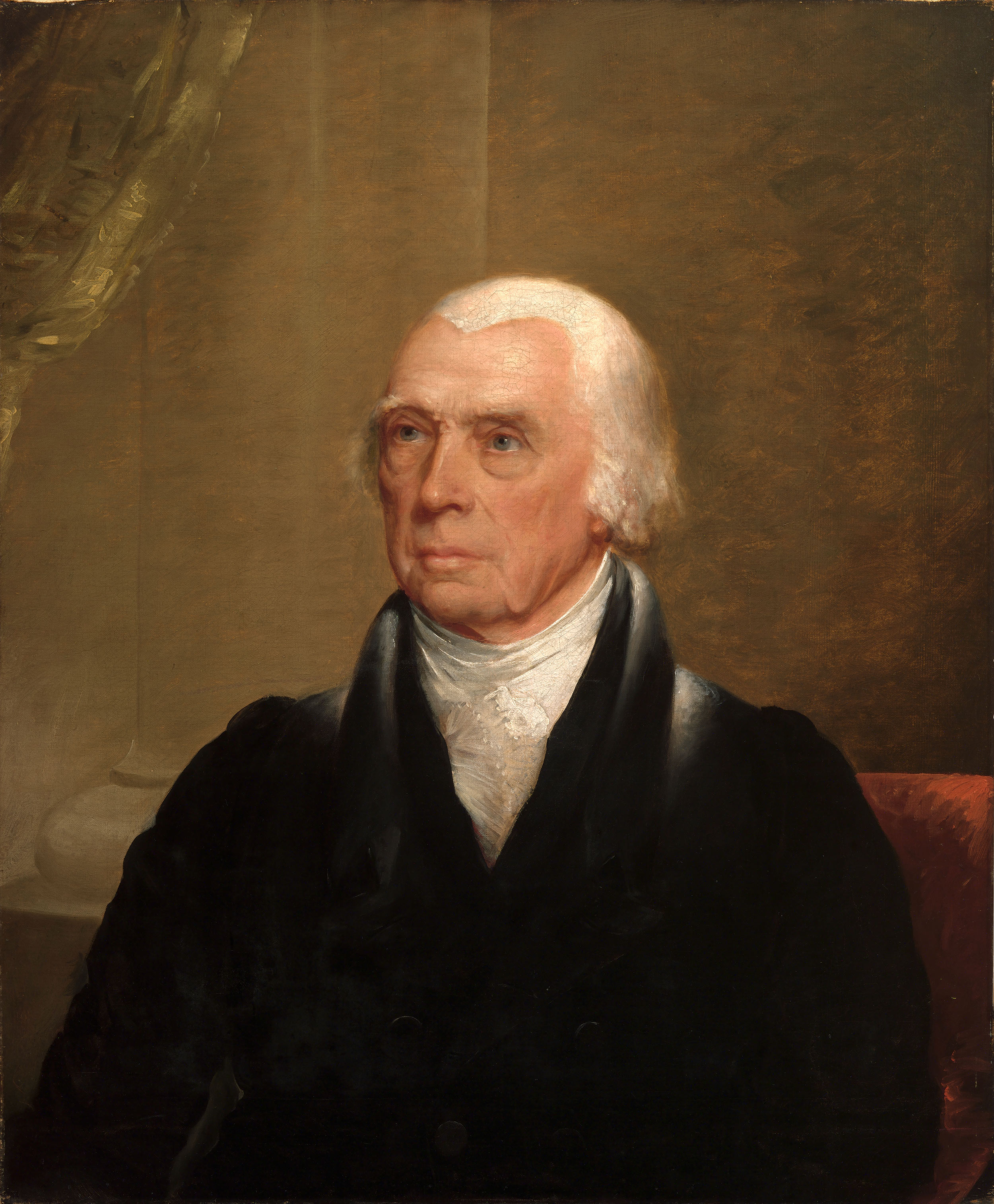
Let's learn about the United States Presidents: James Madison

  As the inauguration approaches, let’s examine the lives and achievements of the 46 other individuals who have held the esteemed position of President of the United States.  


James Madison 4th, President of the United States of America

  • Birth: March 16, 1751
  • Death: June 28, 1836


Top 3 Accomplishments as President (1809–1817)

War of 1812 Leadership:

Madison led the nation during the War of 1812 against Great Britain, a defining conflict for the young United States. Despite early setbacks, the war boosted American nationalism and solidified independence.

Rechartering the National Bank:

Although initially opposed to a national bank, Madison oversaw the establishment of the Second Bank of the United States in 1816 to stabilize the economy after the financial disruptions of the war.

Strengthening Infrastructure:

Madison supported internal improvements and began laying the groundwork for federally funded infrastructure projects, such as roads and canals, to unify the country economically and geographically.


Top 3 Accomplishments as a Civilian

Father of the Constitution:

Madison was instrumental in drafting the United States Constitution and the Bill of Rights. His leadership at the 1787 Constitutional Convention and contributions to the Federalist Papers were pivotal in shaping the nation's foundational legal framework.

Virginia Plan:

As a key architect of the Virginia Plan, Madison proposed a strong federal government structure with a system of checks and balances, which greatly influenced the final Constitution.

Jeffersonian Collaboration:

Madison collaborated closely with Thomas Jefferson to oppose the Alien and Sedition Acts and to champion the principles of states’ rights and limited government in the Virginia and Kentucky Resolutions.


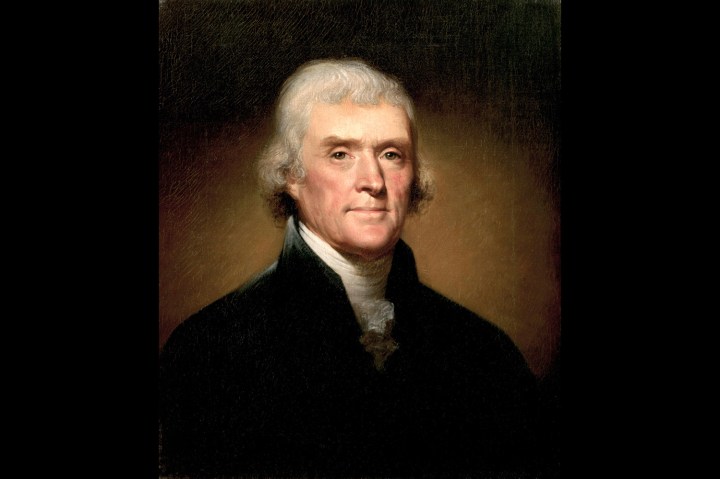
Let's learn about the United States Presidents: Thomas Jefferson

 As the inauguration approaches, let’s delve into the lives and achievements of the 46 other individuals who have held the esteemed position of President of the United States.  

Thomas Jefferson, 3rd president of the United States of America


Born: April 13, 1743

Died: July 4, 1826


Top 3 Accomplishments as President (1801–1809)

The Louisiana Purchase (1803):

Jefferson negotiated the purchase of the Louisiana Territory from France, doubling the size of the United States and securing vast resources and land for westward expansion.

The Lewis and Clark Expedition (1804–1806):

Jefferson commissioned Meriwether Lewis and William Clark to explore the newly acquired Louisiana Territory, mapping the land and establishing relationships with Native American tribes, which paved the way for westward expansion.

Maintaining Peace Amid European Conflict:

Amid tensions between Britain and France, Jefferson implemented the Embargo Act of 1807 to prevent the U.S. from being involved in European wars. While controversial, this act reflected his commitment to neutrality and war avoidance.


Top 3 Accomplishments as a Civilian

Authoring the Declaration of Independence (1776):

Jefferson was the principal author of the Declaration of Independence, which articulated the colonies’ case for independence and laid the ideological foundation of American democracy.

Founding the University of Virginia (1819):

Jefferson founded the University of Virginia, envisioning it as an institution free from religious doctrine and emphasizing the study of liberal arts and sciences. It was a groundbreaking model for higher education in the U.S.

Virginia Statute for Religious Freedom (1786):

Jefferson authored this statute, establishing the separation of church and state and guaranteed religious freedom. It became a model for the First Amendment of the U.S. Constitution.